Why it matters for inclusion
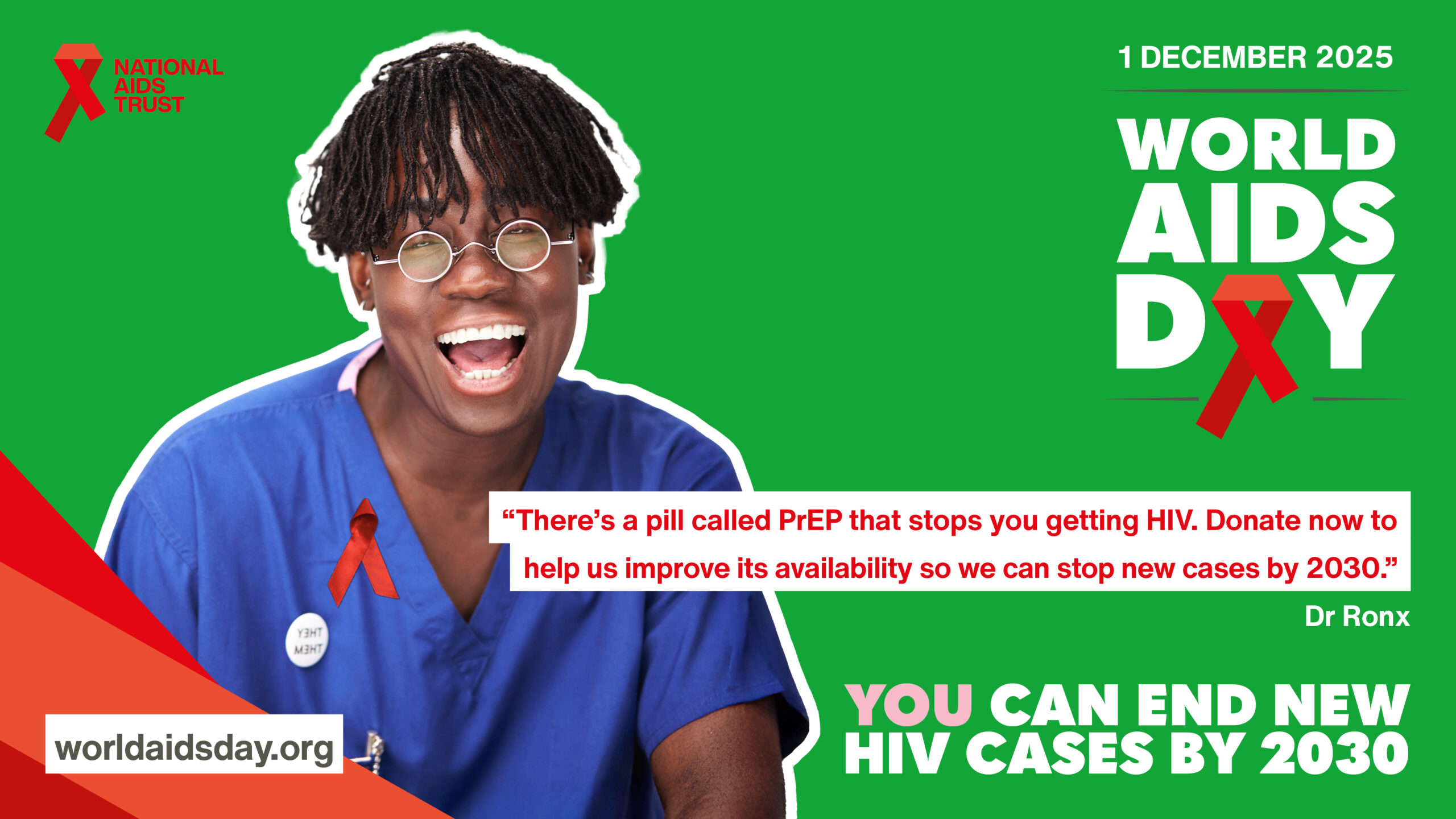
It is true that here in Aotearoa, HIV rates are relatively low by global standards, with 95 new diagnoses in 2024, compared to 1.3 million globally. Furthermore, numbers here are small compared to many other serious health conditions, such as cancer. However, it is important to remember that the impact is not small for the people affected.
New Zealand has made strong progress over the past decade, driven by effective treatment, community, advocacy and better access to prevention. The peak in diagnoses was around 2016, and for the five-year period 2016–2020 the annual average was about 138 diagnoses per year. Since 2010, locally acquired HIV infections have dropped by about 31%.
Important challenges remain:
In a workplace context, this is directly connected to equity, dignity and safety. HIV is both a health issue and a social-justice issue. People living with HIV in NZ today can live long, healthy lives, especially when supported – but they can still face misunderstanding or discrimination at work.
What inclusive workplaces can do:
Why this matters
New Zealand’s low numbers give us a unique opportunity: to lead not just in public health, but in inclusion. World AIDS Day is a reminder that progress shouldn’t lead to complacency – it should inspire us to create workplaces where everyone, regardless of health status, feels safe, seen and supported.
Let’s use this day to reaffirm a simple commitment: stigma, complacency and discrimination have no place in Aotearoa’s workplaces.
